
Regenerative Multimodal Transport System
The Regenerative Multimodal Transport System has won the Kamra Tal-Periti Architecture Vision Award for its innovative response to Malta's traffic crisis. The project is now supported by a collaboration with the Research, Innovation, and Development Trust and the University of Malta to advance research and funding.
Previously featured at TEDx and shortlisted for major European awards, the system promotes safe, efficient alternatives to private cars. With over 443,000 licensed vehicles recorded by the National Statistics Office in 2024, this partnership aims to reduce congestion and support a cleaner, more sustainable transport future.
National Impact
The Regenerative Multimodal Transport System is a holistic national mobility concept designed to address Malta's severe traffic congestion and transform the way the country moves. As a project of national interest, it responds directly to one of Malta's most urgent long-term challenges: creating a cleaner, more efficient, better connected, and more liveable transport system for residents, businesses, students, visitors, and public services.
The project aligns with the ambitions of Malta Vision 2050 by supporting a more sustainable and resilient Malta. It proposes a shift away from fragmented road-based interventions towards an integrated mobility ecosystem that combines public transport, active travel, green infrastructure, digital systems, and long-term national planning.
The system will redesign major transport nodes into seamless interchanges connecting buses, bicycles, walking routes, shared mobility, and future mass-transit options, reducing dependence on private vehicles. It would support decarbonisation and cleaner air by cutting vehicle emissions and contributing to Malta's climate objectives.
By reclaiming road space for greener, safer, and more pedestrian-friendly environments, it would also help regenerate traffic-heavy areas into healthier public spaces. Supported by long-term, evidence-based planning beyond short political cycles, the system would reduce gridlock, improve daily commutes, support economic productivity, enhance public health, and raise quality of life across the Maltese Islands.
Key Features
- Integrated National Multimodal Network — A fully connected transport system linking electric buses, Bus Rapid Transit, ferries, cycling routes, walking corridors, park-and-ride facilities, shared mobility, and future mass-transit options into one seamless national network serving Malta and Gozo.
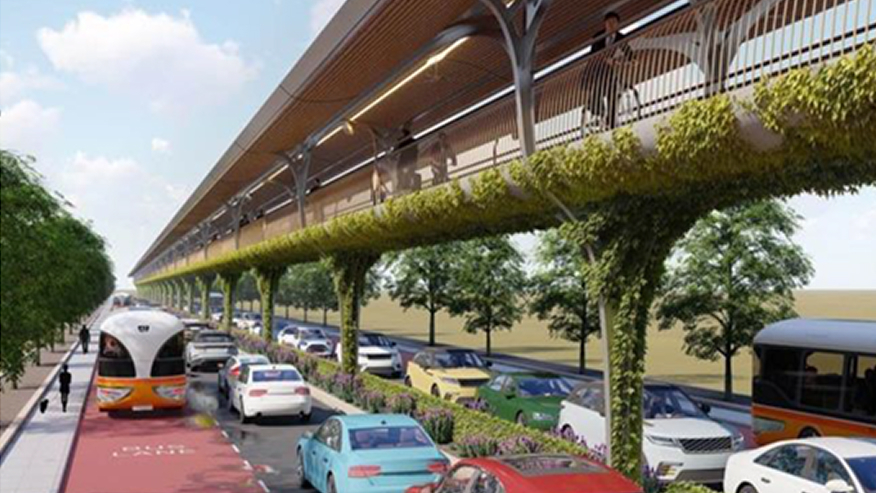
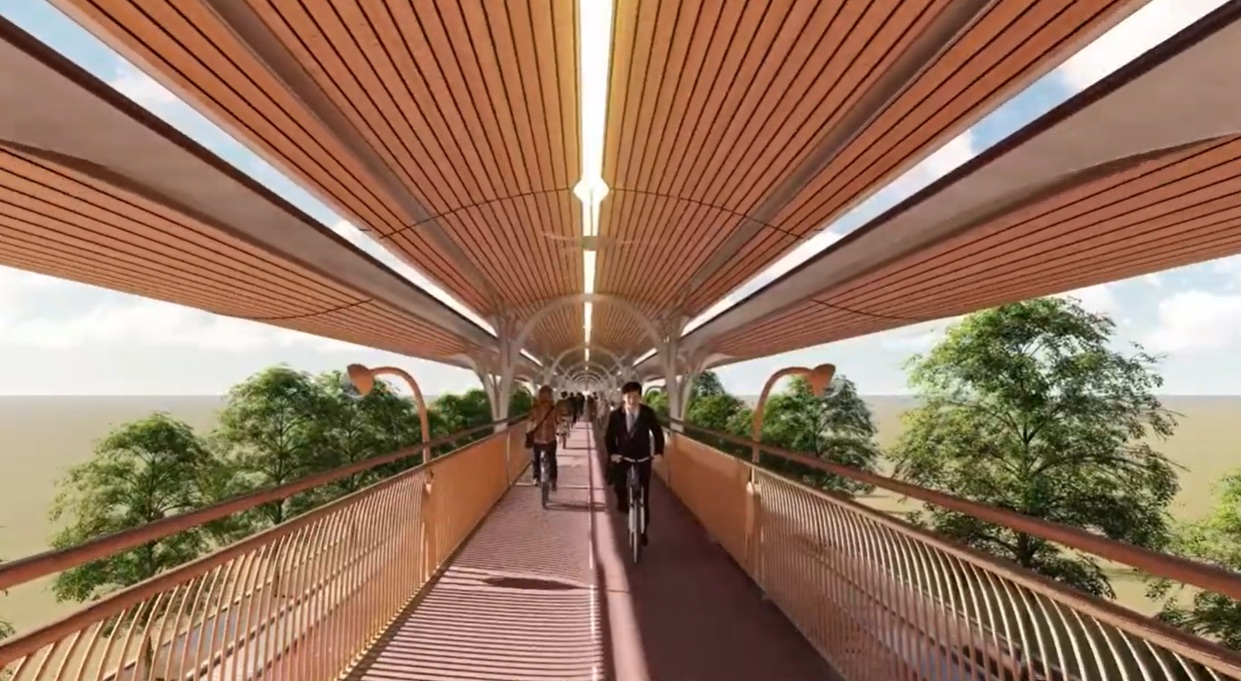
- Elevated and Segregated Active Mobility Infrastructure — A new generation of safe, multi-tiered infrastructure, including elevated cycling lanes and footpaths above central medians, junctions, and roundabouts, separating pedestrians and cyclists from road traffic while improving safety, continuity, and journey times.
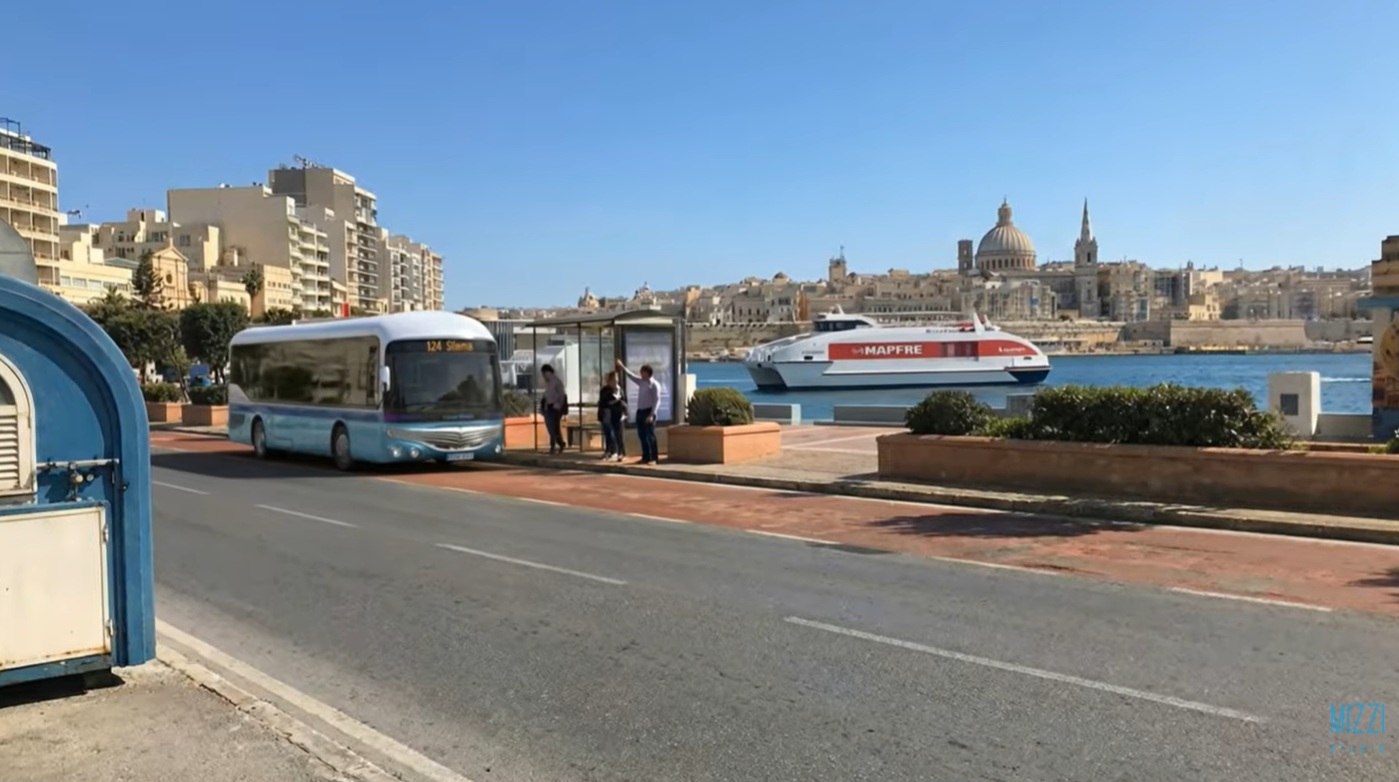
- Electric Bus Rapid Transit and Clean Mobility Fleet — A high-capacity electric BRT system using dedicated or smart-managed lanes to deliver fast, reliable, low-emission public transport, supported by zero-emission ferries, charging infrastructure, shared mobility, and active travel options.
- Regenerative Urban and Green Infrastructure — A transport system that does more than reduce harm by restoring streets, adding shaded routes, green corridors, urban cooling, biodiversity, stormwater management, and improved public spaces, while reclaiming land from car-dominated roads.
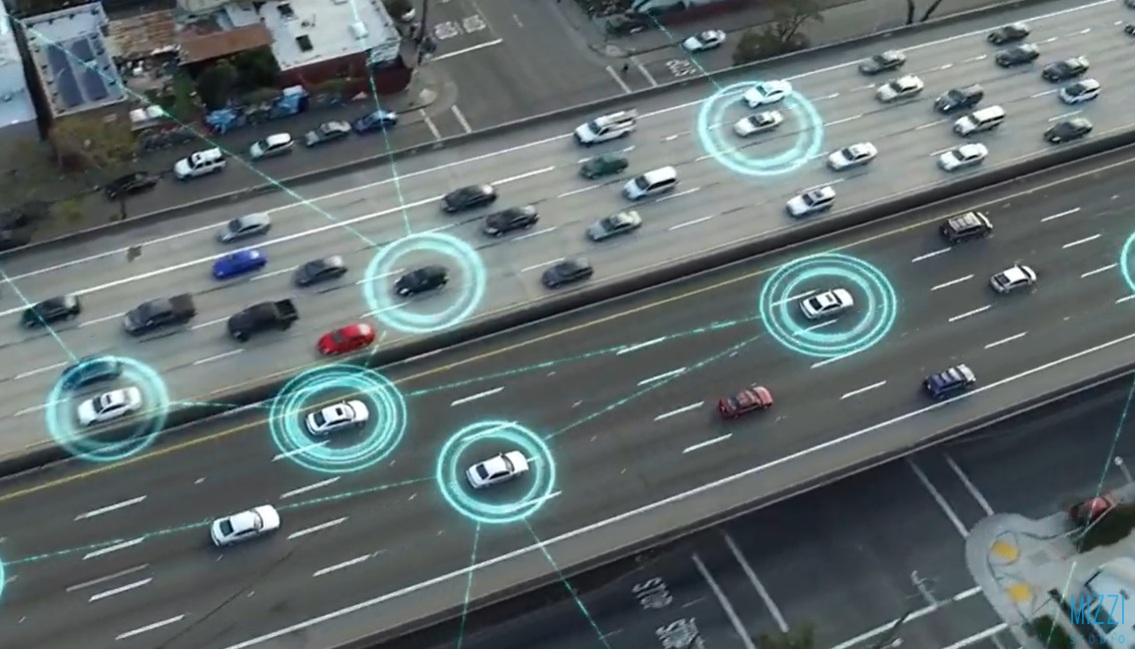
- Digital, Intelligent and Autonomous-Ready Mobility Platform — A single digital platform for journey planning, ticketing, payment, real-time information, and demand-responsive services, supported by Intelligent Transport Systems that optimise traffic flow and prepare key corridors for future autonomous vehicles.
- People-Centred National Connectivity — A mobility system designed around people rather than cars, improving access between towns, employment zones, schools, hospitals, tourism areas, ports, the airport, Valletta, Gozo, and coastal communities, while creating safer, step-free, shaded, walkable, and accessible streets for all ages and abilities.
Status & Timeline
-
Feb 2026
University Roundabout Cycle Hub unveiled as a test case
The University Roundabout Cycle Hub was unveiled as a real-world demonstration node within the wider Regenerative Multimodal Mobility system, showing how one of Malta's busiest junctions could become an integrated mobility hub.
-
Dec 2024
Mizzi Studio and University of Malta, Research, Innovation and Development Trust collaboration
The project was presented publicly as a collaboration between Mizzi Studio and the University of Malta, combining design, research, and national mobility thinking.
-
2024
Recognition through the Kamra tal-Periti Architecture Vision Award
The Regenerative Multimodal Transport System received the Kamra tal-Periti Architecture Vision Award, recognising its system-level approach to Malta's mobility challenges.
-
2021
Initial launch at TEDx University of Malta
The idea was first introduced publicly by Jonathan Mizzi at TEDx University of Malta, as part of a speculative island-wide multimodal transport vision.